Common Mistakes When Using a Wood Burner in a Smoke Control Area
You have bought a wood burner, stacked a winter's worth of logs, and then discovered your house sits inside a smoke control area. It happens more often than you might think. Around a third of UK homes fall under these rules, and many buyers only find out when a neighbour mentions it, or when a letter arrives from the council. The good news is that burning wood in a smoke control area is perfectly legal. You simply have to do it in a particular way, with particular equipment, and the mistakes people make are remarkably consistent.
What a smoke control area actually means
A smoke control area is a zone designated by a local authority under the Clean Air Act. Inside it, you are not allowed to release smoke from a chimney. That is the whole rule, stripped down. It does not ban wood burning, and it does not ban stoves. It bans visible smoke.
Most of England's major towns and cities have them, along with many smaller market towns and suburbs. You can check whether your property is covered by searching your council's website for its smoke control register, or by phoning the environmental health team. It takes five minutes and it settles the question properly rather than relying on guesswork.
If you are in Scotland, similar controls exist and the rules around them have been tightened in recent years, so check the current position with your own council rather than assuming English guidance applies. The practical principles are the same, but the detail matters.
Mistake one: buying a stove that is not exempt
This is the big one. In a smoke control area you may only burn wood or other unauthorised fuels in an appliance that has been exempted by the relevant government department. Exempt appliances are tested to show they can burn without producing noticeable smoke when used correctly.
Plenty of stoves on the market are not exempt. Some are older models that predate the current rules. Some are attractive, well-made, and perfectly legal to install and use elsewhere, but not inside a smoke control area. A seller is not obliged to check your postcode.
Before you buy, look for the appliance on the official list of exempt appliances. Ask the retailer directly, in writing, and check the model name and number against the list yourself. "Eco-design ready" is not the same thing as "exempt", and you should not accept one as a substitute for the other.
Mistake two: assuming exempt means anything goes
Exemption is not a licence to burn whatever you like. An exempt appliance is only exempt when it is used in accordance with its conditions, and those conditions cover both fuel and operation.
The most common breach is burning wet or unseasoned wood. Damp logs produce far more smoke because much of the energy in the fire is spent boiling off water. Even a superb stove will smoke if you feed it wet timber.
Wood should be seasoned until it has a moisture content below roughly 20 per cent, which normally means air-drying split logs for at least a year, often longer for dense hardwoods like oak. A cheap moisture meter takes the guesswork out of it. Push the prongs into the freshly split face of a log, not the outside, and test a few. If you would rather not dry your own, buy kiln-dried logs or approved solid fuel from a reputable supplier and keep them dry.
Mistake three: burning the wrong things entirely
Wood burners are not incinerators, and in a smoke control area the range of permitted fuels is narrower still. Authorised fuels include kiln-dried logs, some untreated wood products, and smokeless coal products that have been approved for use in smoke control areas. Unauthorised fuels include ordinary house coal and, in most cases, wet wood.
The things people try to burn anyway cause most of the complaints councils receive:
- Painted, varnished or treated timber, which releases unpleasant and potentially harmful fumes
- Driftwood, which carries salt and can damage the stove
- Household rubbish, packaging and plastic
- Cardboard in large quantities, which flares hot and smoulders badly
- Green garden waste and freshly cut branches
These all produce more smoke, more creosote and more wear on your flue. Saving a few pounds on fuel this way costs more in the long run.
Mistake four: poor burning technique
You can have the right stove and the right logs and still send smoke up the chimney. Smoke is unburnt fuel, and it appears when the fire is starved of air or running too cool.
The classic mistakes are closing the air controls down too far and too early, letting a fire smoulder overnight instead of burning it properly, and loading a large single log that sits there charring rather than catching. A hot, bright fire with a good flame picture burns cleanly. A dull, lazy fire does not.
A better routine
- Use dry wood, split small enough to catch quickly.
- Light the fire with kindling and a firelighter, leaving the air controls open until the fire is established.
- Add logs in modest batches rather than filling the firebox.
- Keep the air supply open enough to maintain visible flames.
- Let the fire burn down rather than damping it out overnight.
Warm the flue before lighting if the stove has not been used for a while. A cold chimney struggles to draw, and a struggling chimney smokes.
Mistake five: neglecting the chimney
A sooted flue, a blocked terminal or a bird's nest in the pot will all restrict the draw and push smoke back into the room or out into the street at low level. Have the chimney swept regularly by a qualified sweep, and more often if you burn a lot. Get the flue checked when you move into a property, whatever the previous owner tells you.
Smoke drifting from a chimney in a smoke control area can lead to a fixed penalty notice. The amount is set out in current regulations and can increase if the matter goes to court, so check the latest position if you need specifics. Councils generally act on complaints from neighbours, and they usually start with a warning rather than a fine.
Keep it legal and keep it clean
Three things protect you: an exempt appliance, authorised fuel, and a habit of burning hot and clean. Check your postcode against the smoke control register, buy from a supplier who will confirm the exemption in writing, and invest in a moisture meter and a decent log store. Sweep the chimney on schedule and watch what comes out of the pot on a still, cold evening. Thin, wispy heat haze is normal. Thick grey smoke is not.
If you are unsure whether your installation, your fuel or your flue complies, speak to your local authority's environmental health team or a registered chimney sweep before the winter rather than after a complaint. They would far rather answer a question in October than investigate a problem in January. This guidance is general, and the rules are updated from time to time, so confirm the current requirements that apply to your property.
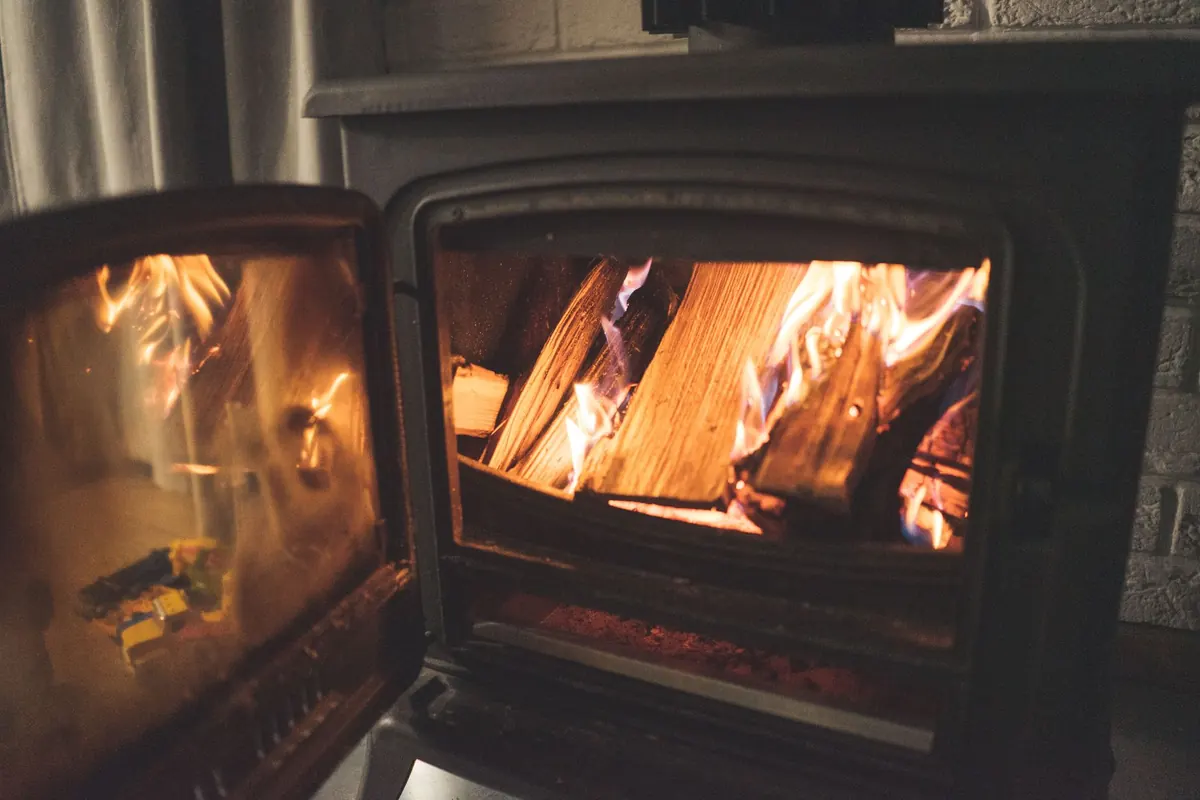
Photo: Atlantic Ambience / Pexels