Open Fire vs Wood-Burning Stove: Which Is Better for a UK Home?
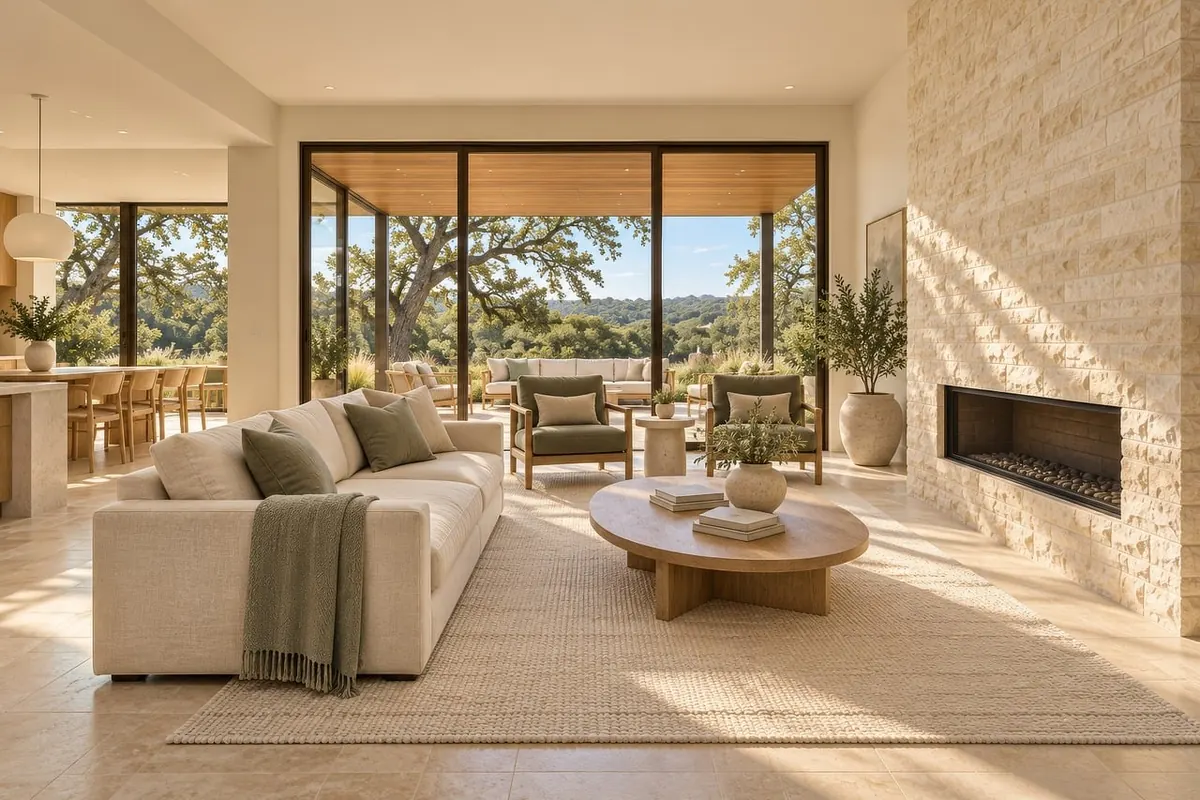
An open fire and a wood-burning stove have a lot in common. Both burn logs, both sit in a chimney breast, and both make a cold evening feel considerably better than it otherwise would. They also behave like two entirely different appliances. An open fire is generous, loud and wasteful. A stove is controlled, tidy and remarkably good at turning wood into usable heat.
Choosing between them isn't really about which one looks nicer. It comes down to your chimney, your house, your budget and how much time you're willing to spend kneeling in front of the grate with a poker.
What Each One Is Actually Doing
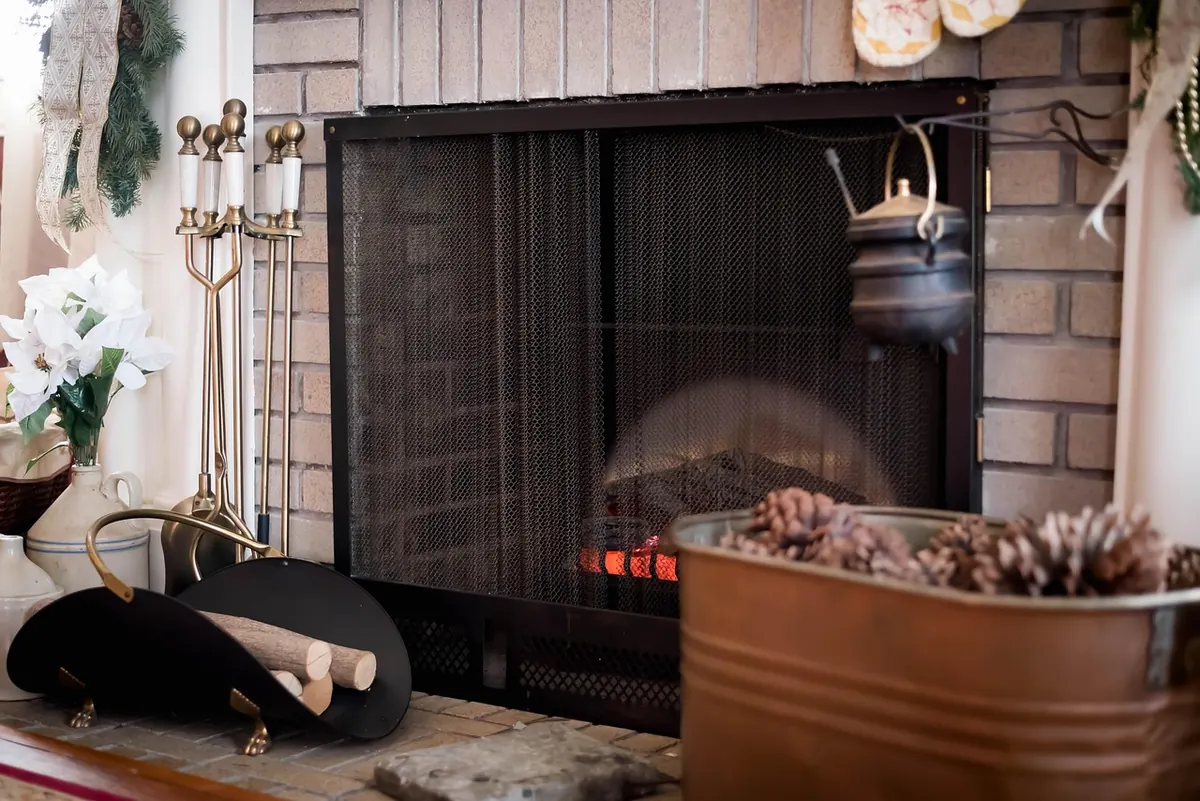
An open fire is, in effect, a chimney with a fire in it. It pulls air from the room, sends a good deal of that air — and a good deal of the heat — straight up the flue, and radiates what's left from three open sides. You get the sound, the smell and the shifting light of a real fire. You also get a draught across the floor and heat that departs almost as quickly as it arrives.
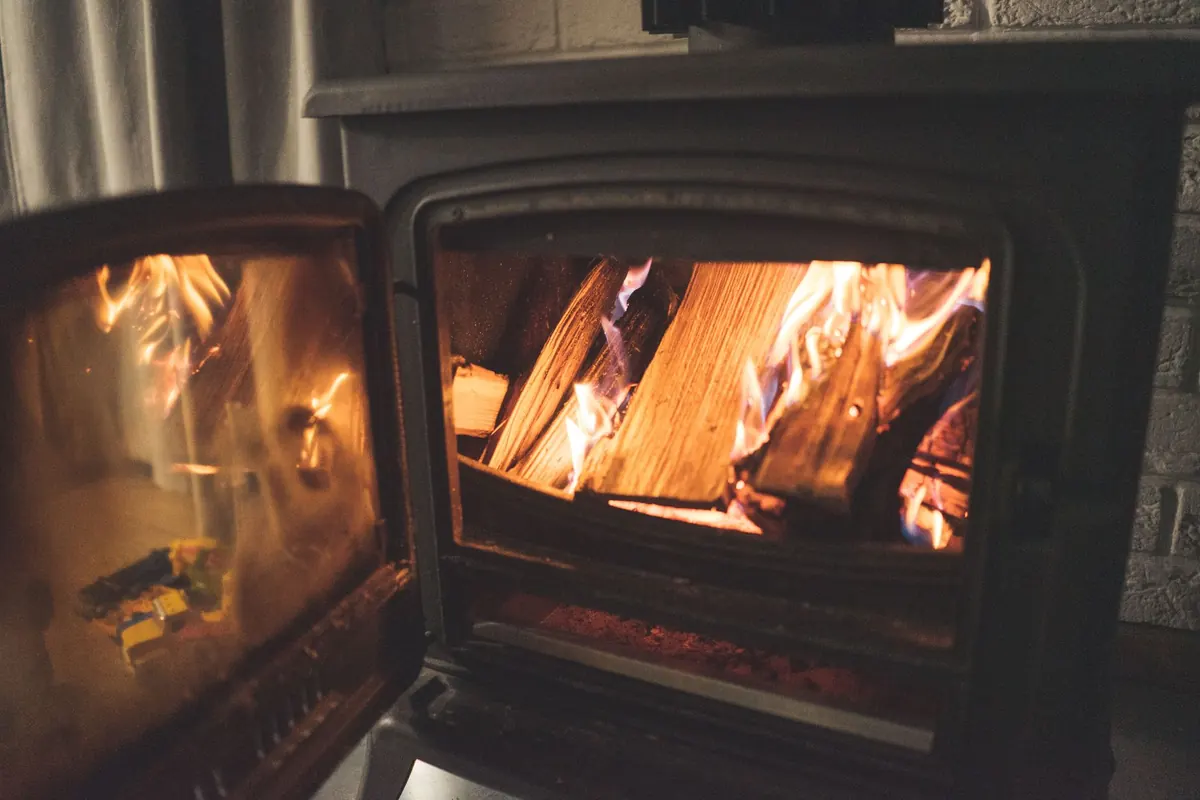
A wood-burning stove closes that opening with a cast-iron or steel box and a glass door. Air is drawn in through controlled vents, often from above the fire, so the wood burns hotter and more completely. The metal body soaks up heat and releases it steadily into the room, while the flue carries away smoke rather than warmth.
Efficiency: Where the Heat Ends Up
On efficiency, the two aren't close. An open fire loses the majority of its heat up the chimney — it's warming the sky as much as the sitting room. A modern closed stove delivers a far greater share of each log's heat into the room, which is why the same basket of wood goes so much further.
That gap shows up in two ways. You burn less fuel for the same warmth, so a stove generally costs less to run per evening once it's installed. And the room ends up properly warm rather than hot on one side and chilly everywhere else. Stoves also hold heat in their body, so a room keeps some of that warmth after the flames have died down.
An open fire is at its best in a room you don't mind keeping a little cooler, and in a seat close to the hearth.
Installation, Chimneys and Building Regulations
Both options depend on a sound chimney, and this is where budgets often take a knock. A stove is rarely a straight swap for an open fire. It usually needs a flue liner, a register plate, a non-combustible hearth of the correct size, adequate ventilation and safe clearances to anything combustible. If your home has no chimney, you'll need a twin-wall insulated flue run up an external wall.
A proper installation typically involves:
- A survey of the chimney and flue, checking for cracks, damp, obstructions and correct draw.
- A flexible or rigid liner, insulated and sized to suit the appliance.
- A hearth, surround and any heat shielding that satisfies building regulations.
- A carbon monoxide alarm, plus ventilation matched to the stove's output.
- Commissioning and paperwork, usually from a HETAS-registered installer.
An open fire needs less equipment, but it still needs a swept, safe flue and a suitable hearth — and if the chimney has been capped or sealed, that has to be sorted before anything else. Whichever route you take, the installation is often the larger part of the bill. Get at least two quotes and ask exactly what's included, particularly the liner and any making good afterwards.
Before you choose an appliance, have the chimney surveyed. A flue that won't draw properly will ruin the best stove on the market.
Fuel, Running Costs and Smoke Control Areas
Fuel matters more than most people expect. Wood should be seasoned or kiln-dried to a moisture content below roughly 20 per cent. Wet wood wastes heat boiling off water, coats the flue in tar and smokes badly. A moisture meter costs very little and will save you far more than it costs, and a covered log store will keep next winter's supply dry.
Many towns and cities are Smoke Control Areas, where you may only burn authorised fuels or use an exempt appliance. In those places an open fire burning ordinary wood isn't an option, and any stove needs to be on the exempt list. Check with your local council before you buy. For an open fire that usually means smokeless fuel or authorised logs; for a stove it means dry, untreated wood — never painted or treated timber, household coal or anything that's been rotting in a damp garden bag.
Maintenance, Mess and Safety
Both need a swept chimney, generally once a year and more often if you burn heavily or use smoky fuels. A tarred or blocked flue is a fire risk, and home insurance policies often expect evidence of regular sweeping.
Day to day, an open fire is the messier of the two. Ash, sparks, soot on the hearth, smoke that follows you across the room when the draw is poor. It's charming for an hour and a chore by the end of the week. A stove keeps the ash contained, needs emptying far less often and won't spit embers at the rug — though a spark guard is still sensible with young children or pets about.
Clean stove glass with a damp cloth dipped in wood ash, or a proper glass cleaner. Fit a carbon monoxide alarm in the room. And resist the urge to burn rubbish to keep the fire going; it's the quickest way to wreck a flue.
Atmosphere: The Part a Spreadsheet Can't Measure
This is where the argument turns. An open fire is an event. It crackles, shifts, throws shadows and leaves a faint smell of woodsmoke in the room. It's the thing people arrange furniture around, and nothing quite replaces the sound of a real fire in a large, cold room.
A stove is calmer and more contained. You watch the flames through the glass, which has its own hypnotic quality, and the heat is steadier and more even. Some people find stoves less romantic — more like a piece of machinery in the corner. Others prefer exactly that: a fire you can load and leave, rather than one that needs feeding every twenty minutes.
If you want a fire to sit beside and watch, an open fire wins. If you want a fire to heat the house, the stove wins.
Which Should You Choose?
Work through this before you spend anything:
- Check the chimney. Get it surveyed and swept so you know what you're working with.
- Check your area. Confirm with the council whether you're in a Smoke Control Area and what you're allowed to burn.
- Decide the job. Is this fire for heating the room, or for the pleasure of watching it? Be honest.
- Match the output to the space. An oversized stove will be run closed down, which soots the glass and wastes fuel.
- Get two or three quotes from registered installers, covering liner, hearth, ventilation and making good.
If you have a sound chimney, want real warmth and don't mind a bit of loading, a stove is almost always the more sensible investment. If the fire is mainly for atmosphere and the room has other heating, an open fire still does something no appliance quite matches.
Either way, use a HETAS-registered installer or your local building control team, and follow their advice on ventilation, hearth size and clearances. Regulations around solid fuel are specific, and they exist for good reason.
Photo: AberrantRealities / Pixabay