Electric vs Gas vs Wood Heating: Running Costs Explained for UK Homes
Ask three neighbours what they pay to heat their homes and you will get three different answers, even when the houses look identical from the street. The fuel matters, but so does how efficiently it turns into warmth, what you pay before you use a single unit, and what it takes to keep the system running year after year. Comparing electricity, gas and wood properly means looking at all three.
The number that actually matters
Your bill quotes a unit rate in pence per kilowatt hour. That is the price of the energy you buy, not the price of the heat you feel. A boiler or a stove loses some of it on the way, so the honest figure is the cost per useful kilowatt hour.
The sum is simple: unit rate ÷ efficiency = cost per useful kWh.
If your electricity unit rate is four times your gas rate, resistance heating costs roughly four times as much per useful kilowatt hour as a boiler running well. A heat pump working at a coefficient of performance of three cuts that gap to about a third. Standing charges, servicing and replacement costs adjust the answer, but this is where the comparison starts.
Electric heating: simple to run, costly to buy energy for
Electric heating covers two very different things. Resistive heating — panel heaters, fan heaters, oil-filled radiators, immersion elements and most storage heaters — converts virtually all the electricity it draws into heat in the room. Nothing escapes up a flue, there is no pilot light, and there is no annual service. You pay for that simplicity at the meter, because electricity typically costs several times more per unit than gas.
Storage heaters deserve a mention because they behave differently. They charge overnight on a cheaper off-peak rate and release heat through the day. That only works if your days are predictable and your tariff suits it. Get the timing wrong and you are warming an empty room.
Heat pumps are the exception
A heat pump does not create heat; it moves it. For every unit of electricity it uses, a well-installed air source system might deliver two to four units of heat into the house, depending on the outdoor temperature and how hard it is working. That changes the arithmetic completely, and it is why an all-electric home with a heat pump can be competitive with gas. The catch is the upfront cost, and the fact that performance depends heavily on insulation, radiator sizing and how the system is commissioned. A poorly set-up heat pump in a leaky house is an expensive electric heater.
Gas: low unit rate, ongoing obligations
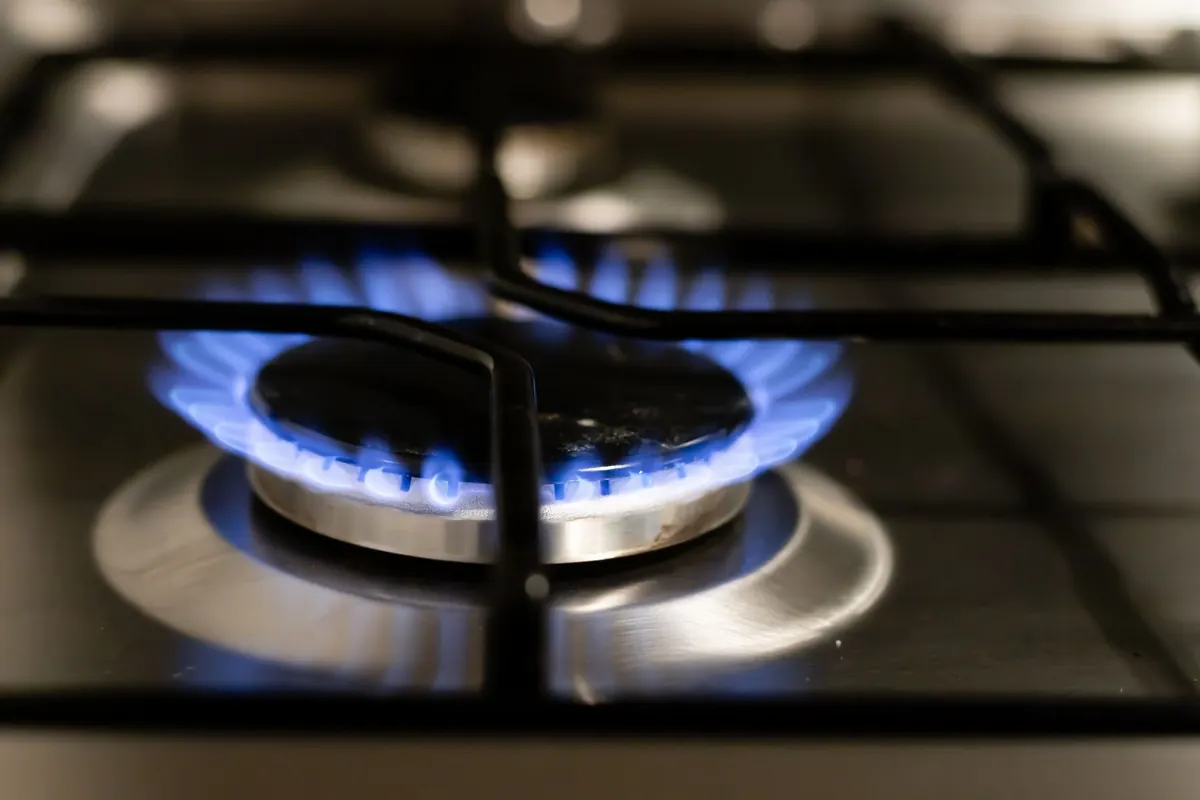
Gas has been the default for most UK homes for decades, largely because the unit rate is low. A modern condensing boiler can turn around 90% of the gas it burns into heat, with the rest lost through the flue and casing. Older non-condensing models sit lower, and a boiler that is never serviced drifts down further.
What you save on the unit rate, you partly spend on upkeep:
- An annual service. Recommended for efficiency and essential for safety. Any work on a gas appliance must be carried out by a Gas Safe registered engineer.
- A standing charge for the gas supply, payable whether you heat or not.
- Replacement. Boilers have a limited lifespan, and a new one is a significant expense.
- Radiators, pipework and controls that occasionally need attention.
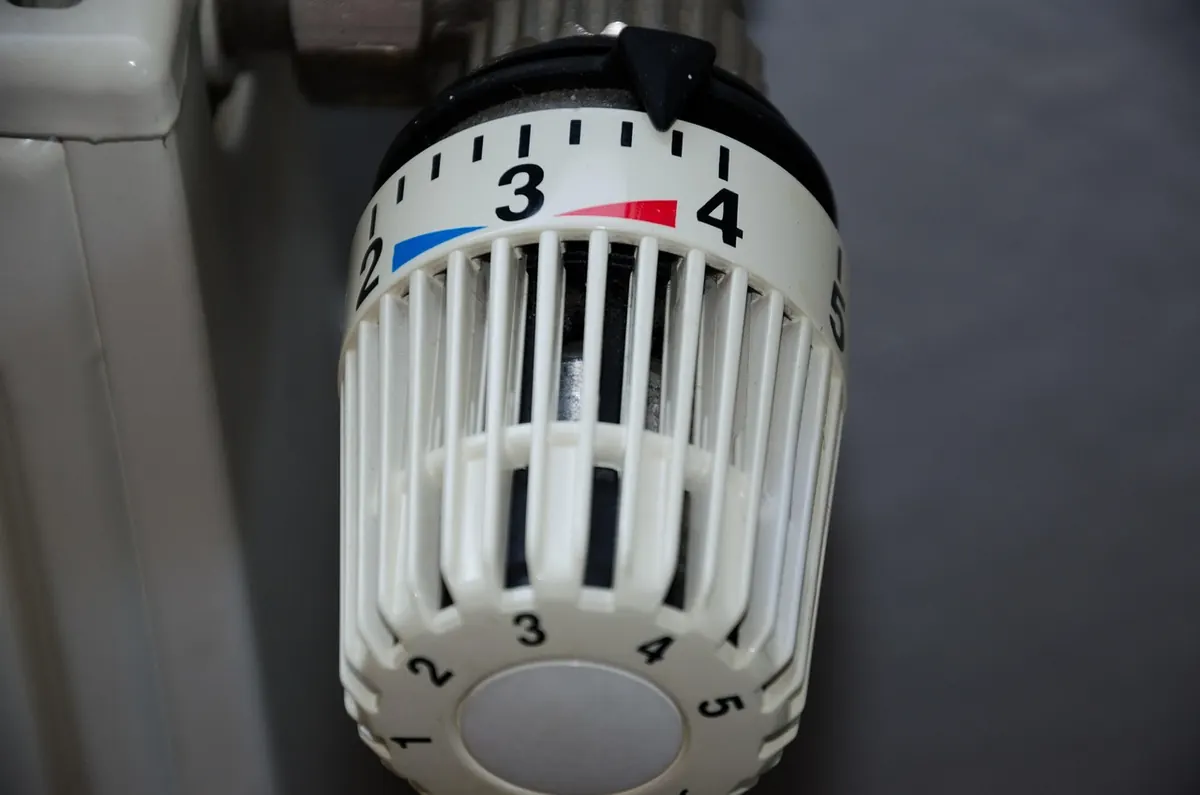
Running a boiler at a lower flow temperature helps it condense properly, which is where much of that efficiency figure comes from. Turn the flow temperature down and leave it for a week. If the house stays warm, you have saved money for nothing.
Wood: cheap fuel, hidden labour
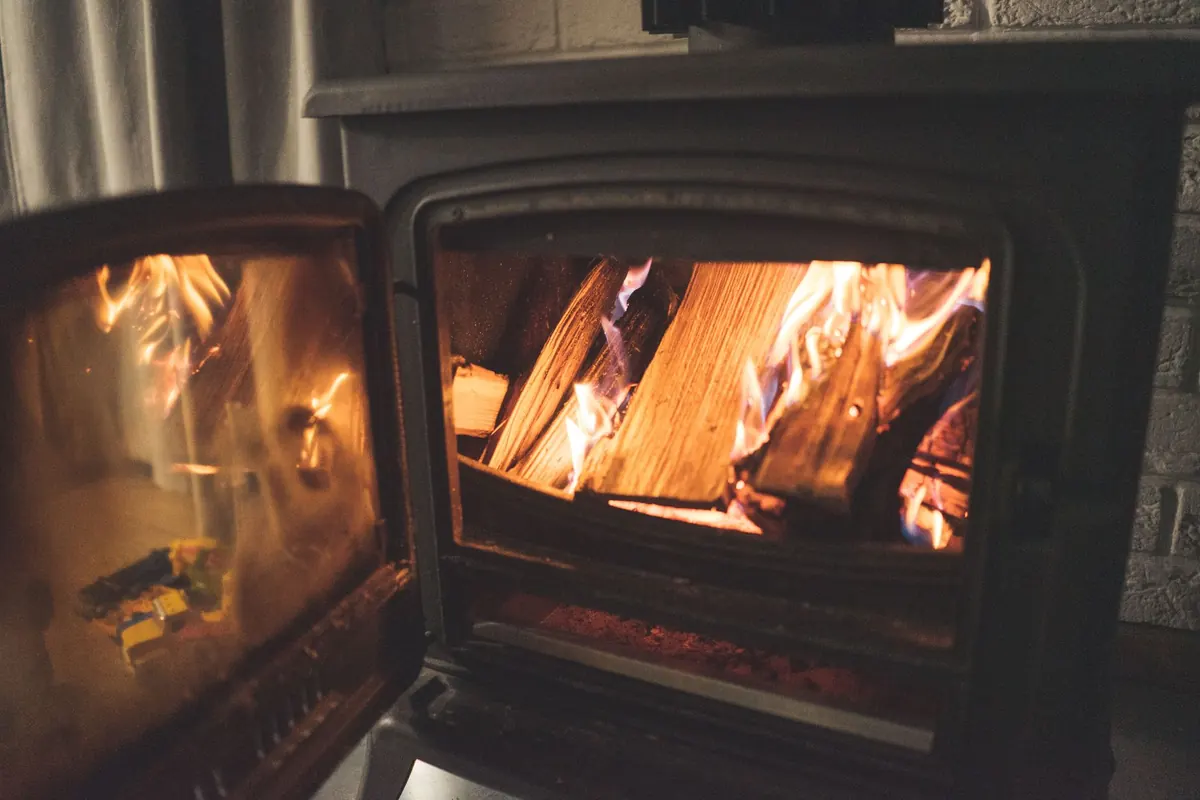
Wood can be the cheapest heat in the country or the most expensive, depending on where you buy it. Logs are usually sold by volume rather than weight, so a “load” from one supplier can hold far less energy than another. A cubic metre of seasoned hardwood bought in summer and stored properly costs a fraction of the same wood bought in small nets from a garage in January.
Two things decide whether wood works out:
- Moisture content. Wet wood wastes most of its energy boiling off water. Aim for logs seasoned for a year or more, or kiln-dried, ideally below 20% moisture. An inexpensive moisture meter takes the guesswork out.
- The appliance. An open fire sends the majority of its heat up the chimney. A modern Ecodesign stove is far more efficient, and in a smoke control area you must burn authorised fuels in an exempt appliance.
Add a chimney sweep once a year, somewhere to store a season’s worth of logs, and the time spent stacking, carrying and lighting. Wood is not passive. It is a hobby that heats you twice.
The costs that slip past most comparisons
- Standing charges. Add them up across a year. Going all-electric removes the gas standing charge, which can be worth more than you expect.
- Servicing and safety checks. Gas annually, chimney annually, heat pump occasionally.
- Replacement cycles. A boiler lasts far less time than a storage heater.
- Electricity for pumps, fans and controls on gas and heat pump systems — small, but not zero.
- Your time. Wood takes the most. It is real, even if it never appears on a bill.
Working out your own comparison
- Find your unit rate and standing charge on a recent bill.
- Note roughly how many kilowatt hours you use for heating in a year, or use last winter as a guide.
- Divide the unit rate by the efficiency of the system — around 0.9 for a good condensing boiler, 1.0 for resistive electric heating, around 3.0 for a well-set-up heat pump.Photo: USA-Reiseblogger / Pixabay